
Painted vs Unpainted Type B Deck Pricing: Florida Projects
We offer Type B metal decking for Florida projects, providing painted and unpainted options with certified coatings, fabrication, and installation services to ensure code compliance, corrosion resistance, and long-term value in coastal and inland environments.
Or Call 305-760-2575
Summary
- Painted costs more upfront, reduces long-term maintenance
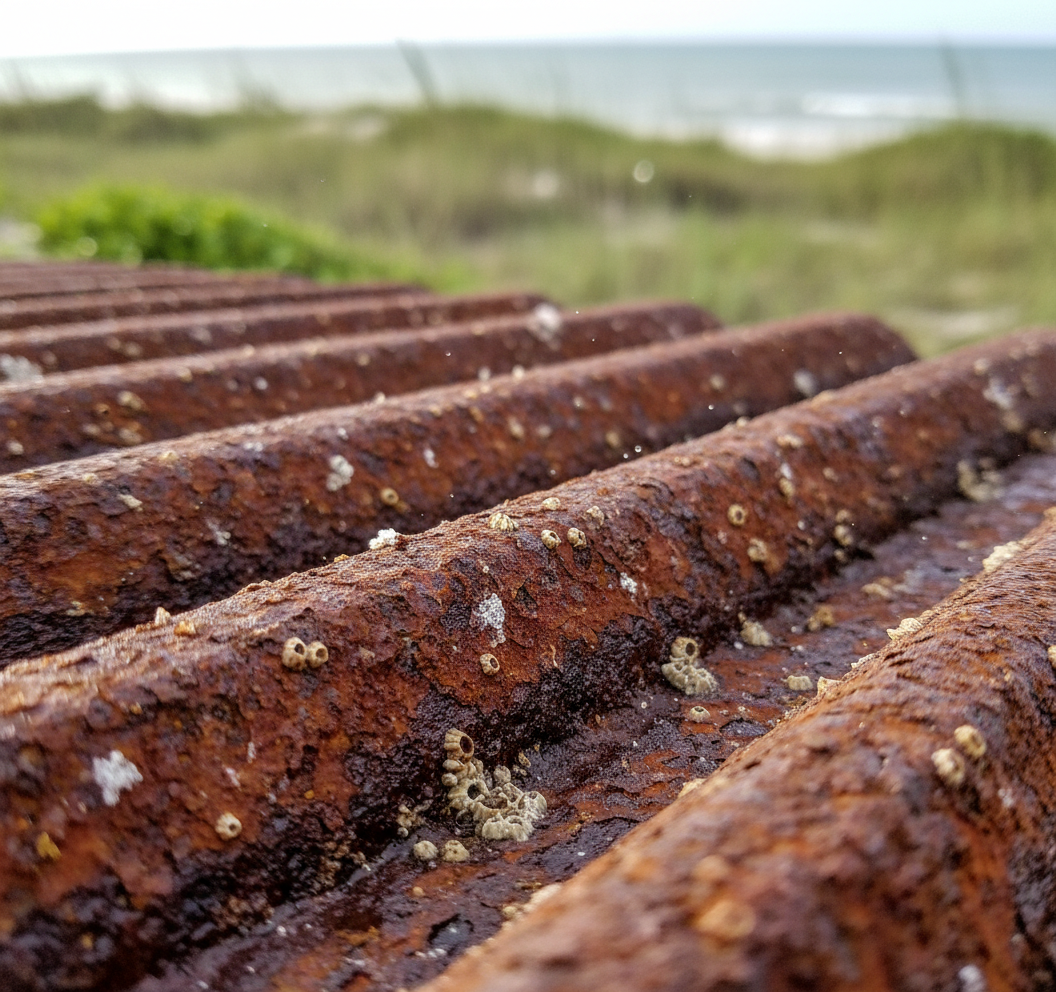
- Florida salt air favors painted or coated solutions
- Budget by lifecycle costing and shop painting allowances
Miami Metal Deck explains Type B metal decking pricing for Florida projects, comparing painted versus unpainted options to help builders and specifiers choose the best system. This article covers material and labor drivers, lifecycle tradeoffs, coastal corrosion impacts, specification strategies, and budgeting methodologies relevant to Florida conditions while reflecting practical experience from a local metal decking specialist.
Key cost drivers for painted and unpainted decking
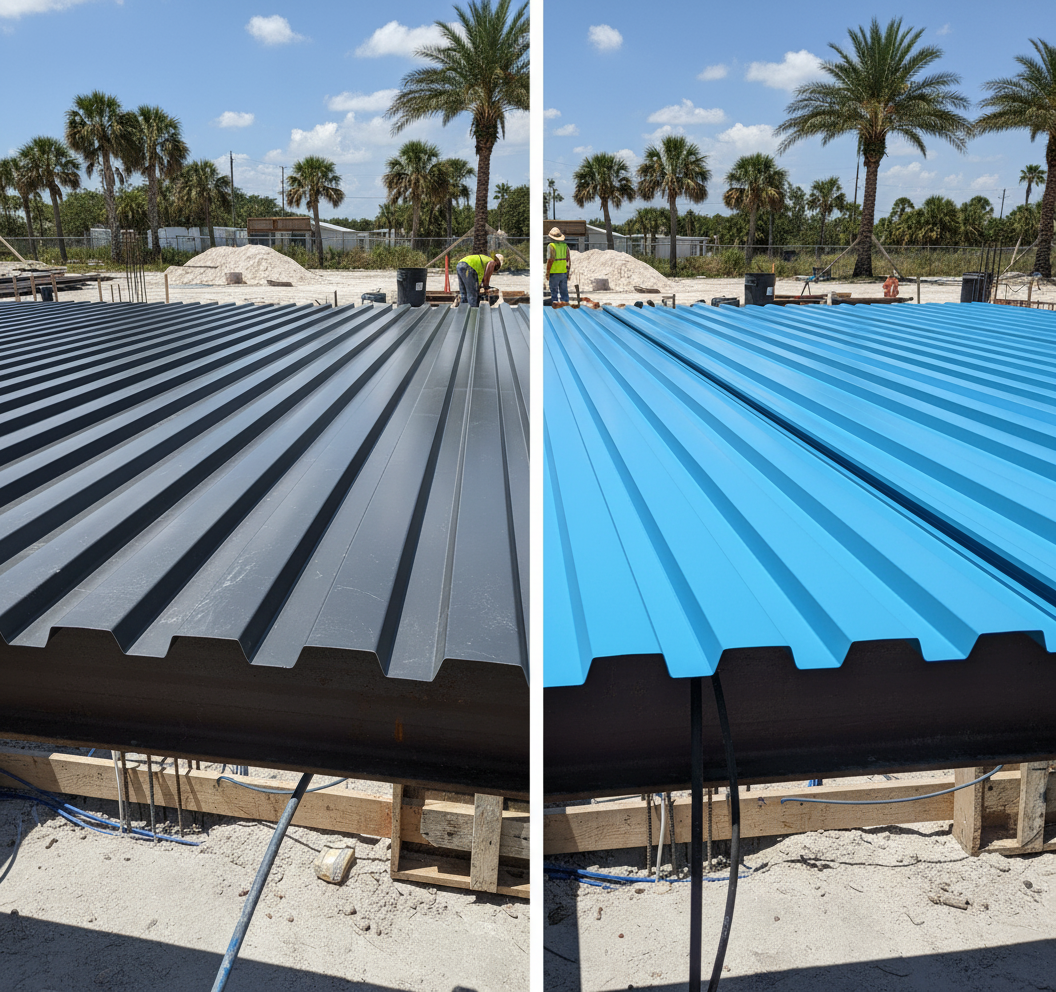
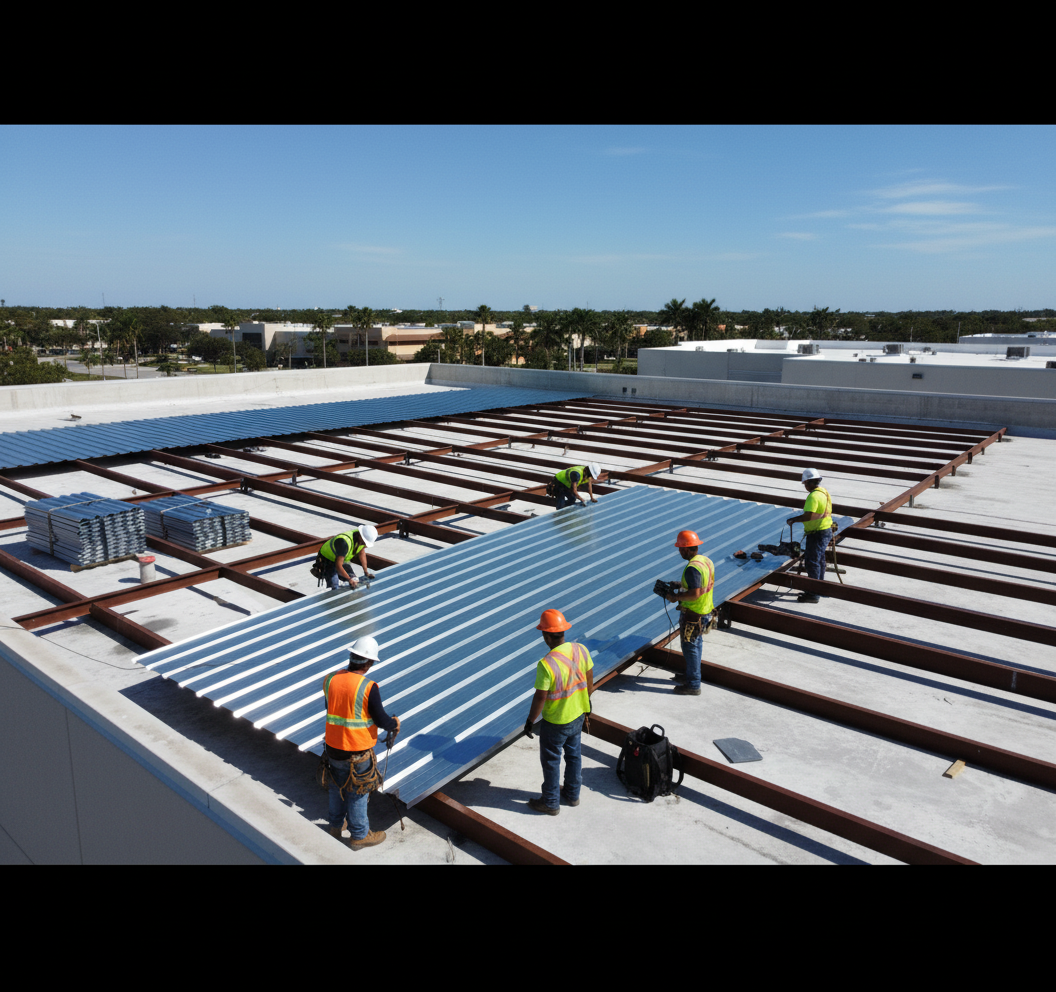
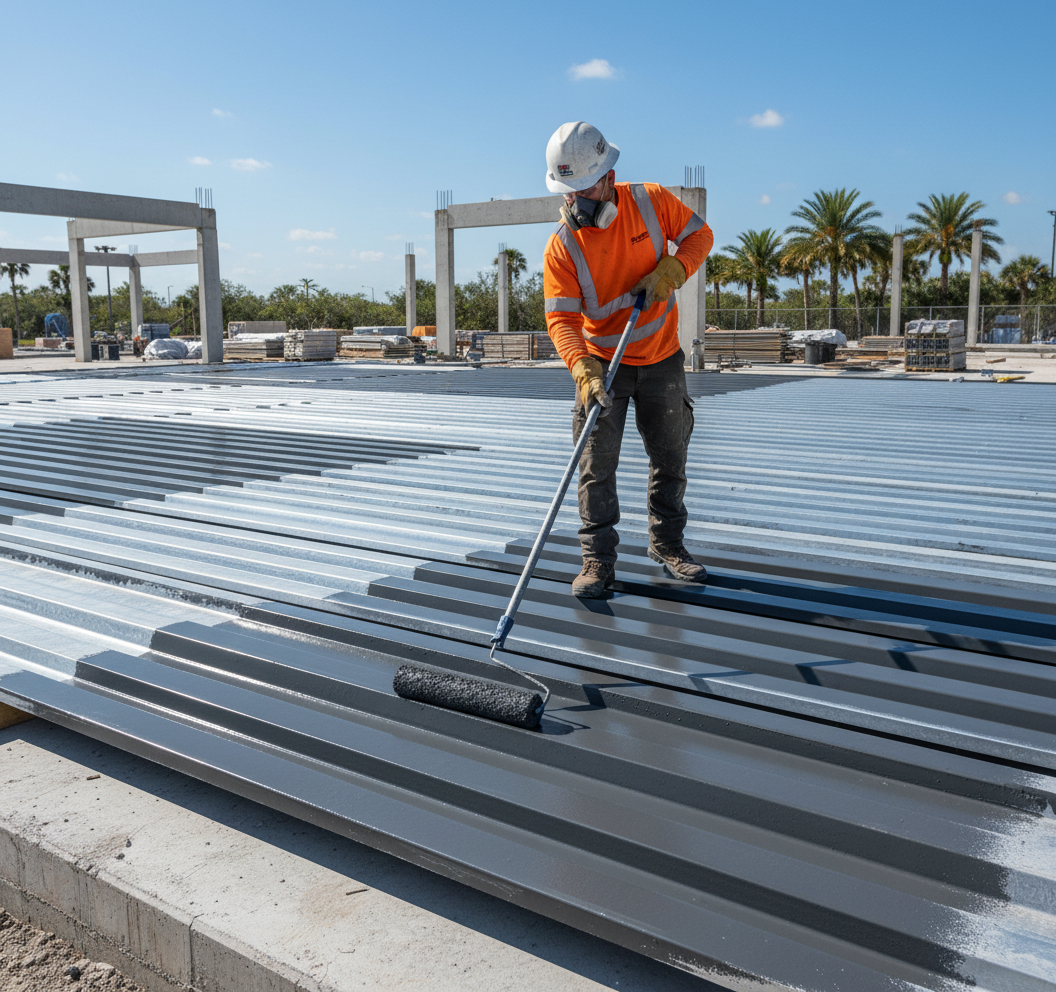
Material and coating selection: painted Type B decking typically includes shop or field-applied primers and topcoats, coil coating options, or factory-finishes that add material and processing cost compared with unpainted galvanized or bare steel. Labor and access: field painting increases onsite labor, scaffolding and weather risk allowances. Fabrication and lead time: shop-applied coatings and pre-painted panels can reduce site labor but require coordination and longer procurement lead times. Specification clarity: detailing primer type, film build, and surface prep reduces change orders and unexpected allowances during bidding.
Florida-specific influences: salt air, high humidity and ultraviolet exposure accelerate corrosion and finish degradation, which shifts the value equation toward higher-performance painted or coated systems in coastal zones. Lifecycle methodology: estimate upfront unit differentials, then apply lifecycle costing to include maintenance cycles, touch-up costs, and coating replacement intervals. Risk management: specifying factory-applied finishes with documented test data and agreeing acceptance criteria reduces warranty disputes and long-term repair budgets.
Estimating pricing: methods, allowances, and best practices
Estimators commonly use per-square-foot base unit pricing with separate line items or allowances for coatings, mobilization, and access. Key practices: break out shop-applied versus field-applied coating costs, include specific film thicknesses and dry film requirements, add contingency for weather-sensitive work, and require coating QA testing such as salt-spray or adhesion tests. Coordinate with mill and fabricator for lead times and shop labor rates to avoid late changes that inflate costs.
Budgeting strategies: use lifecycle cost comparisons rather than lowest initial bid to assess true value, specify warranty and maintenance obligations in the contract, and consider pre-finished or coil-coated panels for repeatable quality. Procurement tips: source locally where possible to reduce freight and storage allowances, bundle coating work with fabrication to streamline quality control, and require technical data sheets to verify performance against Florida exposure classes.
Miami Metal Deck differentiators for Florida projects
As a local specialist, Miami Metal Deck emphasizes practical Florida-focused specifications, coordination with structural and roofing trades, and quality control practices that limit rework. We prioritize clear scope language on coatings, fasteners and edge treatments to minimize change orders. Our approach aligns with industry standards and Florida code considerations to help owners and contractors manage long-term risk without overstating performance.
Specification checklist: state Type B product gauge and galvanizing class if applicable, list primer and topcoat system or coil-coating specification, require surface preparation and inspection criteria, define acceptable touch-up procedures and fastener finishes, include sampling and testing requirements, and assign maintenance intervals for life-cycle budgeting. These items reduce ambiguity that often inflates contractor bids.
Final considerations
Choose painted or pre-finished Type B decking for coastal Florida projects where corrosion exposure and long-term maintenance matter; consider unpainted galvanized or bare panels only for interior or low-exposure sites to lower initial scope. Use lifecycle costing, clear coating specs, and shop-applied options to control total project cost. Miami Metal Deck can help align specifications and logistics to reduce risk and achieve predictable project budgets.