
Type B Metal Deck & Reflective Roof Coatings: FL Evaluation
We offer Type B metal deck with reflective roof coatings in Florida for commercial and industrial roofs, including specification, installation, and performance consulting to optimize thermal and moisture outcomes.
Or Call 305-760-2575
Summary
- Reduces roof surface temperatures significantly
- Lowers cooling load and energy use
- Improves durability and moisture resistance
Type B metal deck combined with reflective roof coatings can be a highly effective strategy for Florida projects where solar heat, humidity, and storm exposure drive operating costs and maintenance. In this evaluation we review thermal performance, condensation risk, coating compatibility, and long term durability so you can specify systems that meet Florida conditions. This analysis explains how Type B metal deck Florida pairings perform in practice and what specification, installation, and warranty details matter most to building owners and facility managers.
Why Florida Climate Demands Reflective Systems
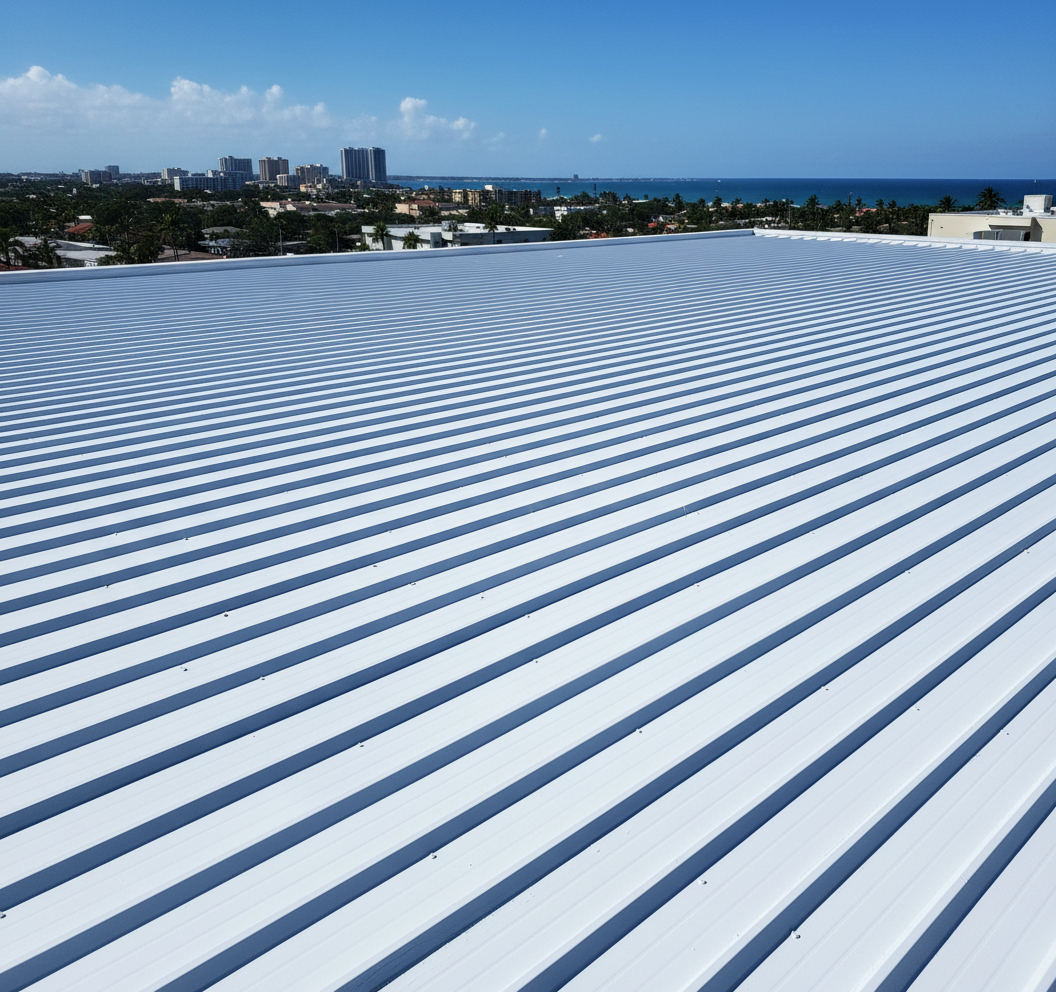
Florida combines high solar irradiance, elevated humidity, and frequent heat waves, so rooftop surfaces absorb a large amount of energy. Reflective roof coatings increase solar reflectance and thermal emissivity, lowering surface temperatures on metal decks and reducing heat transfer into conditioned spaces. For Type B metal deck assemblies this reduces thermal stress, slows membrane degradation, and lowers peak cooling demand during summer months.
Building codes and energy programs increasingly recognize cool roof strategies; reference standards include ASTM test methods for solar reflectance and emissivity plus ASHRAE guidance for roof assemblies. When specifying for Florida, evaluate coating SRI, expected weathering, wind uplift ratings, and compatibility with the deck profile and substrate preparation required by local code and manufacturer instructions.
Thermal Performance and Energy Savings
A reflective coating on a Type B metal deck can reduce roof surface temperatures by 20 to 50+ F depending on color and emissivity, which typically translates to measurable cooling-load reductions. Using modeling or measured data, owners estimate HVAC energy savings and roof-related peak demand relief; savings vary with building insulation, HVAC efficiency, occupancy, and local microclimate.
Instead of fixed price claims, use lifecycle budgeting methods and payback analysis to determine economic viability: calculate reduced cooling load, extended roof service life, and lower recoat cycles. Consider combined measures like adding insulation above the deck or improving attic ventilation to maximize benefits and align with capital planning strategies.
Moisture Control, Condensation, and Longevity
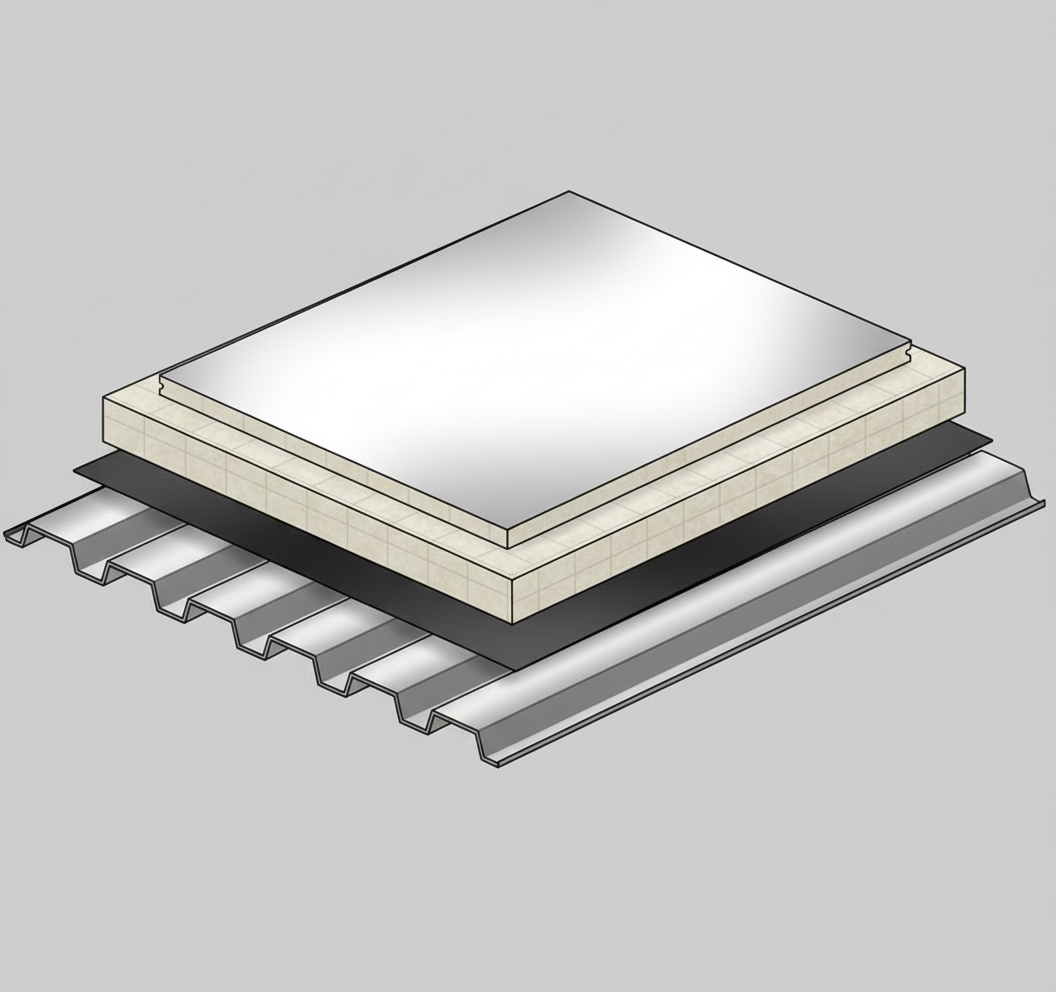
Florida humidity raises condensation risk on metal decks when interior vapor drives meet cooler roof substrates. Proper assembly is essential: address dew point with adequate insulation, continuous vapor control, and thermal breaks to prevent trapped moisture. Reflective coatings reduce surface heat gain but do not substitute for proper insulation or vapor management in humid climates.
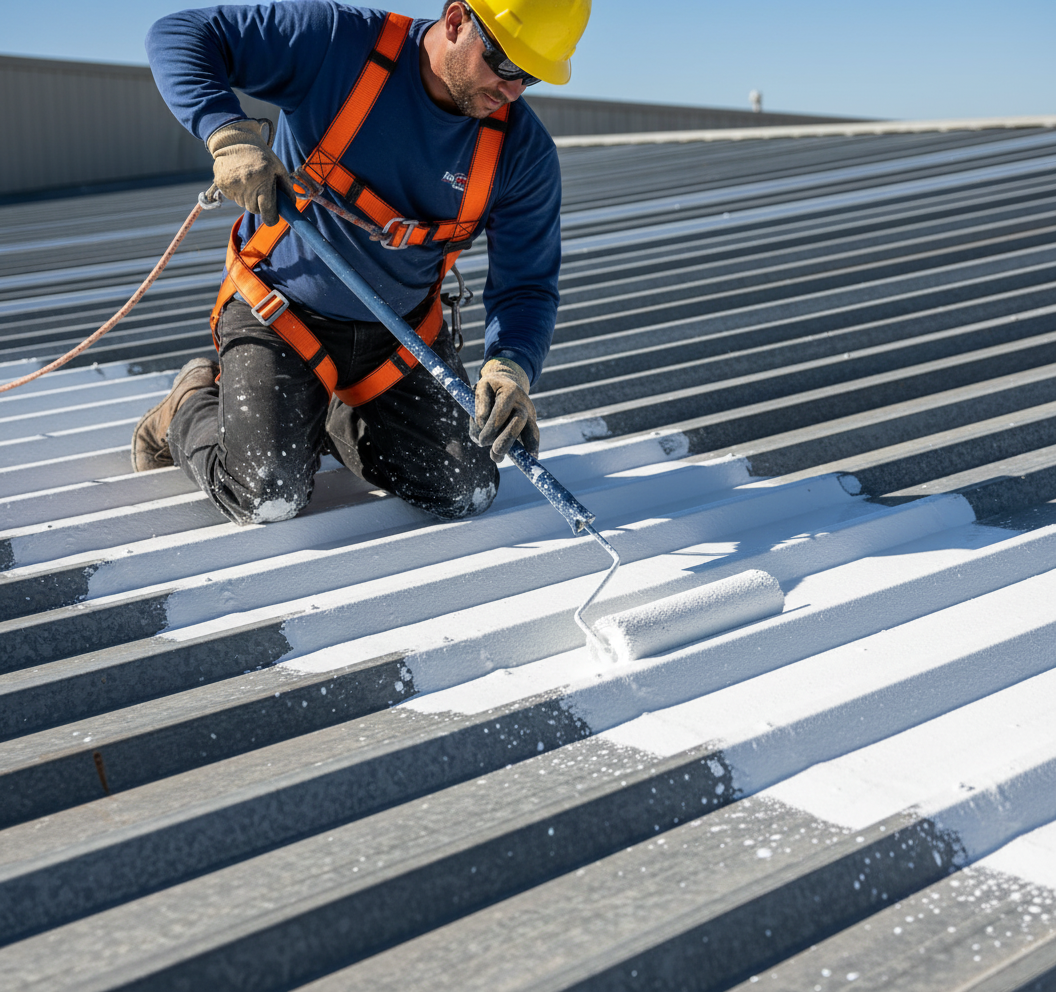
Coating adhesion and longevity depend on surface prep, existing substrate condition, and correct product selection for metal. Choose coatings formulated for metal substrates, follow manufacturer primer and prep recommendations, and plan recoat intervals based on documented weathering performance. Warranties are contingent on adherence to installation and maintenance protocols, so specification clarity is critical.
Specifying, Installation, and Warranty Considerations
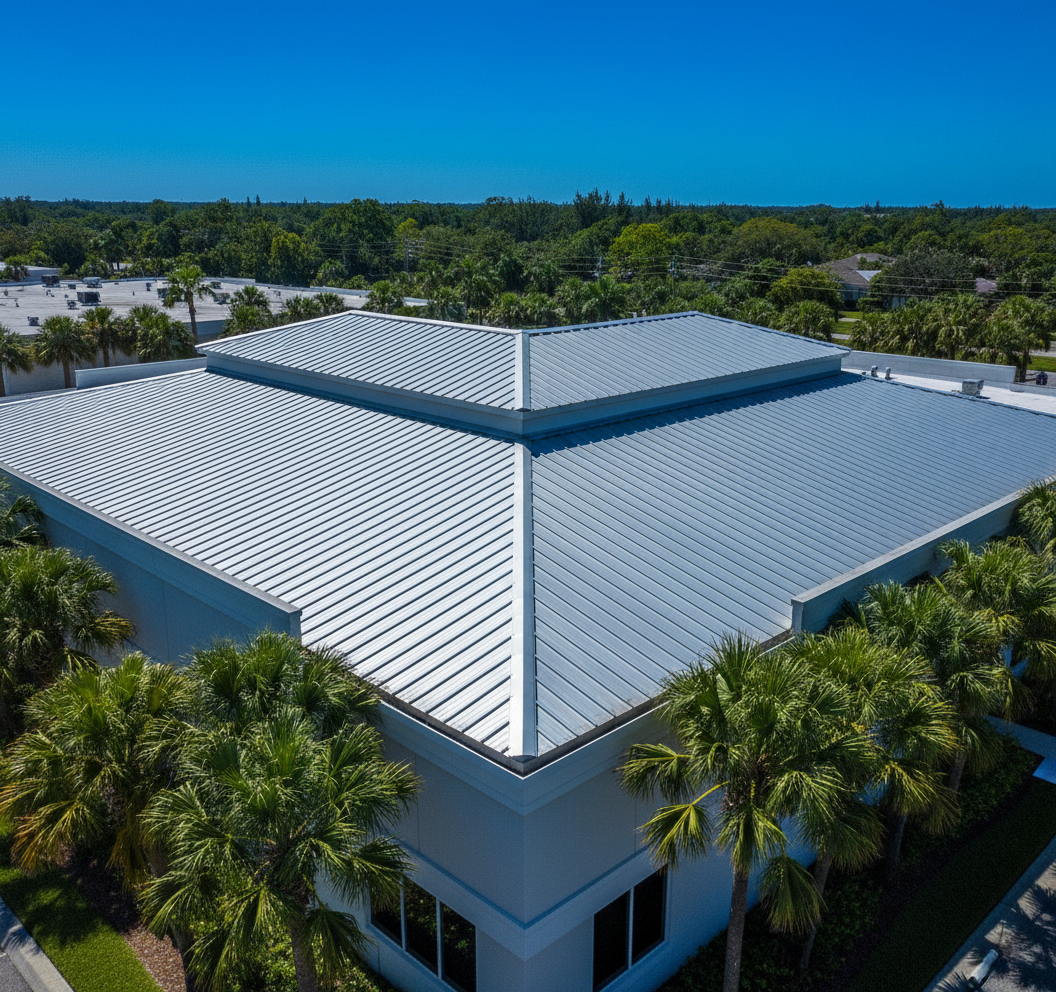
Specify systems by matching coating chemistry to metal substrate, required film thickness, and Florida exposure conditions; require contractor proof of experience with Type B deck profiles and coastal installations. Miami Metal Deck teams follow manufacturer installation guides, perform adhesion tests, and document substrate condition to support warranties. Prioritize products with lab-tested solar reflectance and proven field performance, and include maintenance and recoat plans in the specification to protect thermal performance and guarantee compliance with warranty terms.