
Primer Coat vs Bare Finish: Protecting Type B Deck in Florida
We offer Type B metal decking Florida primer coating services and bare-finish evaluations. We provide code-compliant application, corrosion assessment, and warranty-backed installation.
Or Call 305-760-2575
Summary
- Primer extends corrosion resistance
- Bare finish ok if galvanized or stainless
- Select by code, exposure, lifecycle cost
If you are deciding between a primer coat and a bare finish for Type B metal decking under Florida building codes, this comparison gives clear, code-aware guidance to protect your project, budget, and warranty. Miami Metal Deck draws on installation experience and testing to explain how coatings, galvanizing, and material choices perform in Florida climates and how to meet Florida Building Code requirements.
What the Florida Building Code Requires
The Florida Building Code requires that metal components exposed to the elements be specified and protected according to project conditions and applicable ASTM standards. Near coasts and in high-corrosion zones, the code and project specifications typically demand enhanced corrosion protection, documented materials, and accepted shop/field procedures.
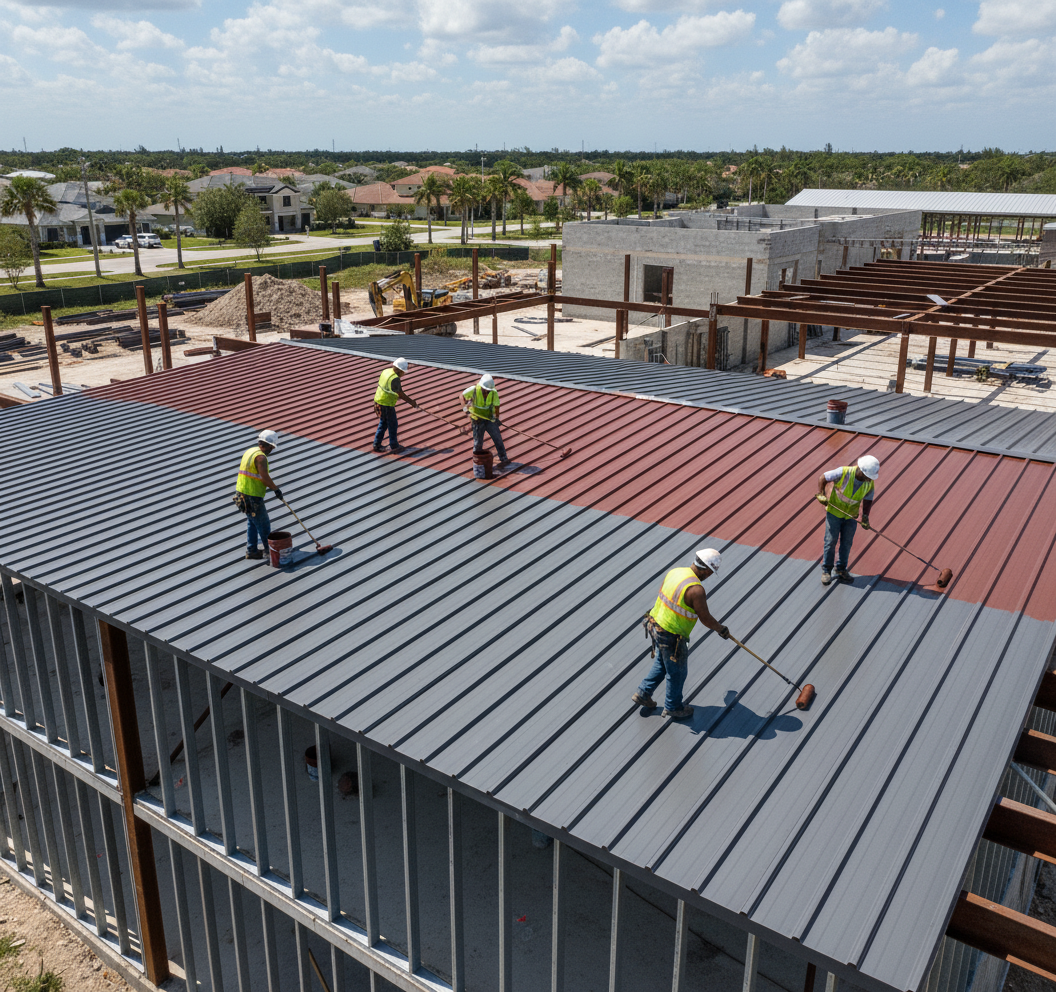
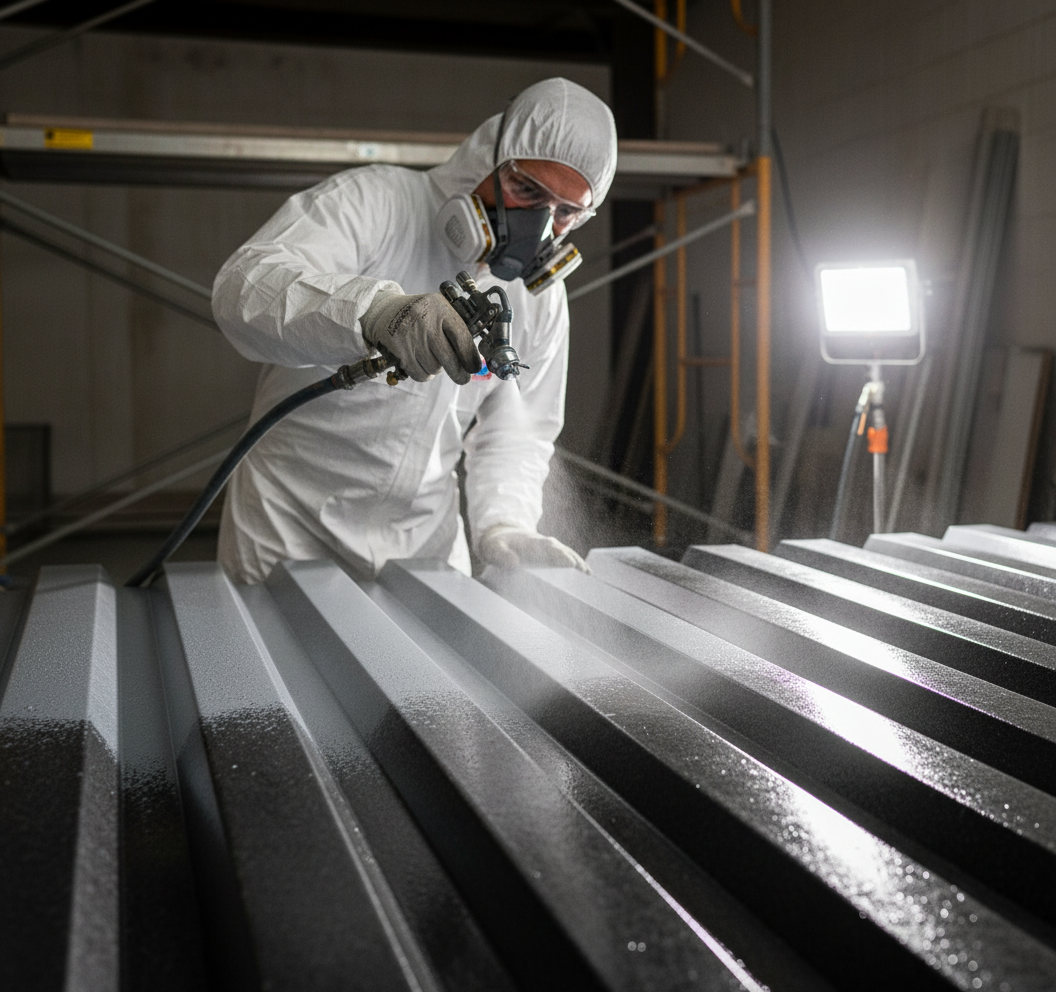
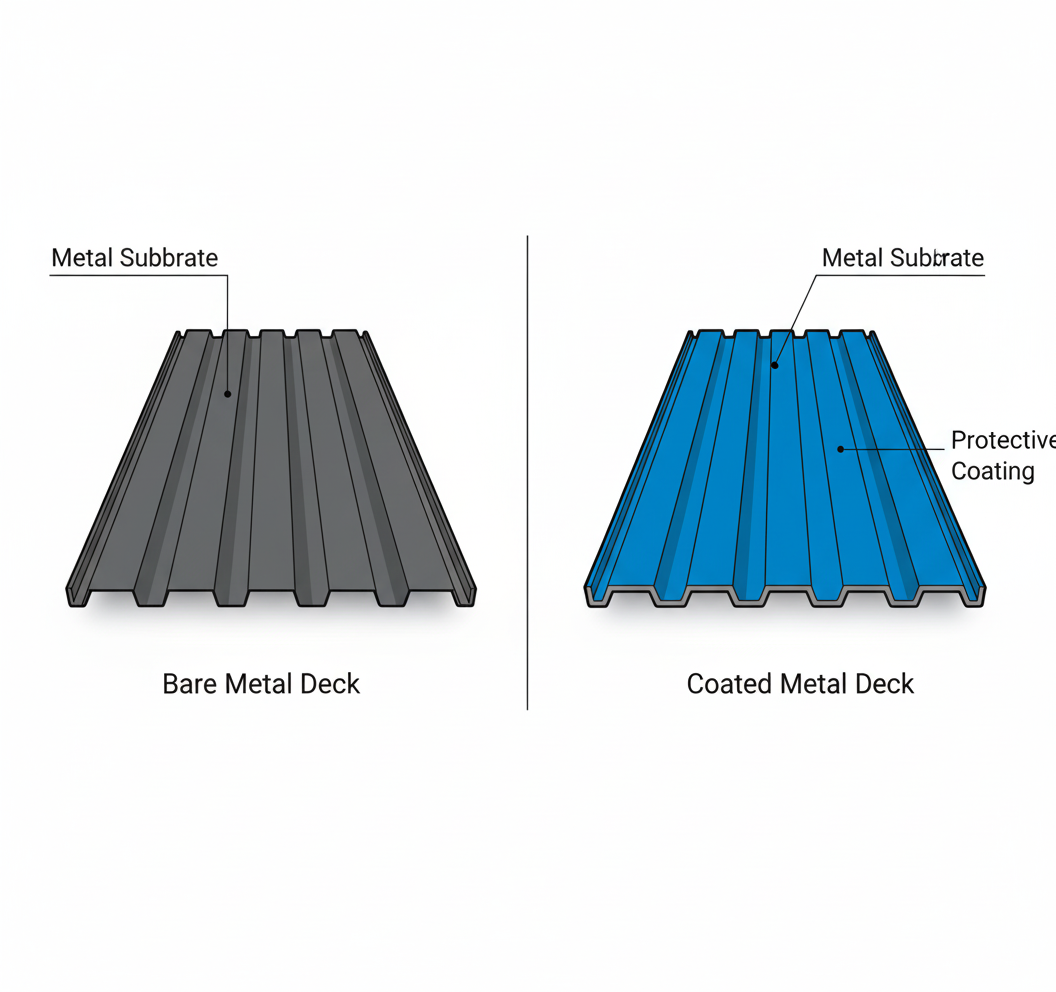
A bare finish can mean mill finish steel, hot-dip galvanized (G60, G90), or stainless steel; those finishes provide inherent corrosion resistance with minimal coating maintenance. A primer coat provides a barrier layer that delays corrosion and improves adhesion for subsequent coatings or roof membranes. In many installations a specified primer system plus a topcoat meets FBC requirements and extends service life when properly applied and maintained.
Performance Comparison: Corrosion, Durability, Cost
Corrosion resistance: Hot-dip galvanizing or stainless delivers long-term sacrificial protection in severe marine atmospheres; primers act as a barrier and are effective in moderate environments. Durability and maintenance: Primer systems require inspection and periodic maintenance; bare galvanized or stainless often need less routine upkeep. Cost: Initial cost for primer application is typically lower than stainless but lifecycle costs depend on exposure, maintenance plan, and warranty terms.
Decision factors include exposure category (coastal salt spray, industrial atmosphere), expected service life, compatibility with roofing membranes or paints, warranty requirements, and the authority having jurisdiction. For Type B metal decking in aggressive coastal exposures, specification often favors galvanized or stainless finishes or a duplex system (galvanize plus primer) for optimal lifecycle value.
Inspection, Testing, and Compliance
To document compliance, specify coatings and finishes that meet performance standards and provide shop certificates, mill test reports, and third-party test results as required by the FBC and contract documents. Adhesion tests, thickness measurements, and certified application records help demonstrate that primer systems and bare finishes meet project acceptance criteria.
Miami Metal Deck applies industry best practices: we evaluate exposure, recommend galvanized, duplex, primer, or stainless solutions, provide installation to spec, and deliver warranty documentation. Our approach emphasizes measurable performance, third-party verification, and lifecycle cost analysis so your Type B metal decking meets Florida code and project expectations.
Choosing the Right Option for Your Project
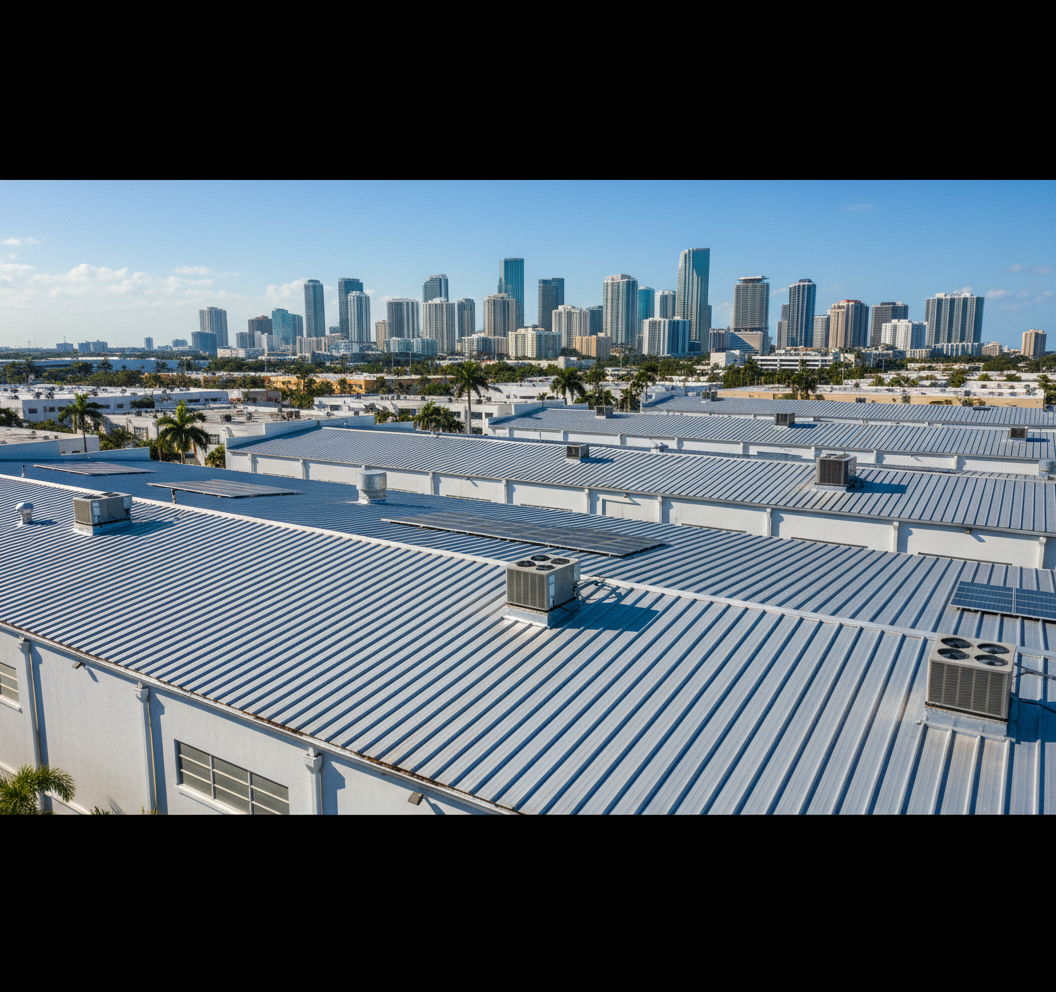
For low to moderate exposures a quality primer system specified for metal decks can deliver cost-effective protection and code compliance. For high-corrosion coastal environments choose hot-dip galvanized (G60/G90), duplex systems, or stainless steel. Specify material, treatment, and testing up front and document compliance. Miami Metal Deck evaluates each project and recommends the solution that balances FBC compliance, long-term performance, and overall cost.