
Type B Metal Roof Deck Purlins Support: South FL Best Practice
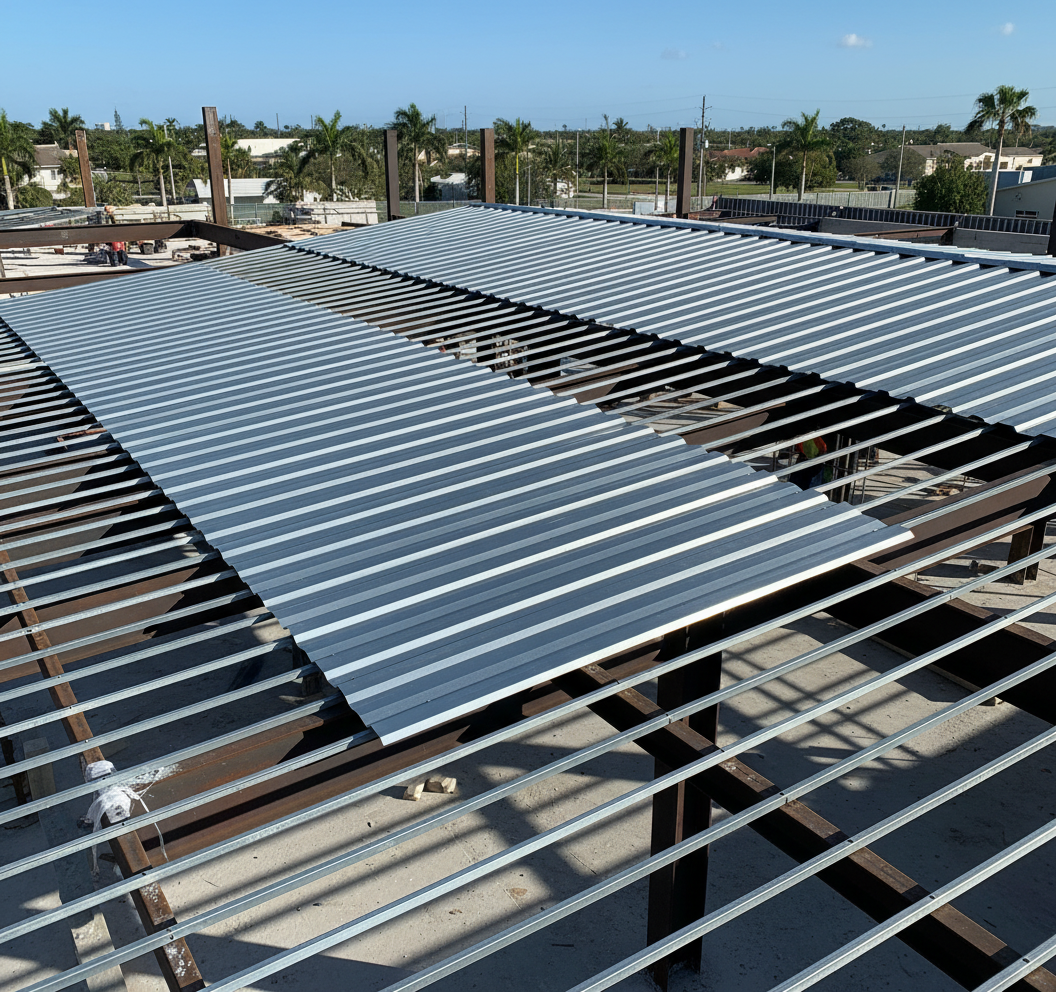
We offer Type B metal roof deck purlins support design, installation, and reinforcement for South Florida high-wind commercial and residential projects.
Or Call 305-760-2575
Summary
- Code-compliant purlin spacing and bearing
- Wind-resistant connections and bracing
- Corrosion protection and QA inspections
Miami Metal Deck presents actionable, code-driven guidance for Type B metal roof deck purlins support under South Florida construction standards. This article summarizes best practices for purlin spacing, bearing, connections, corrosion protection, and inspection protocols aligned with the Florida Building Code, Miami-Dade requirements, and industry standards such as ASCE 7 and ASTM where applicable.
Design Criteria and Code Compliance
Design must start with model loads from a licensed structural engineer using Florida Building Code and ASCE 7 wind and seismic criteria. Verify Miami-Dade County approvals and Notice of Acceptance for deck and purlin products. Use manufacturer load tables and engineer calculations to size purlins and spacing for live, dead, and uplift loads.
Purlin spacing and span selection should follow structural tables and project-specific loads; avoid arbitrary spacing. Provide continuous lateral bracing and intermediate bracing per engineer recommendations. Where spans exceed standard tables, increase section size or add supports rather than rely on field modifications.
Support Details and Best Practices
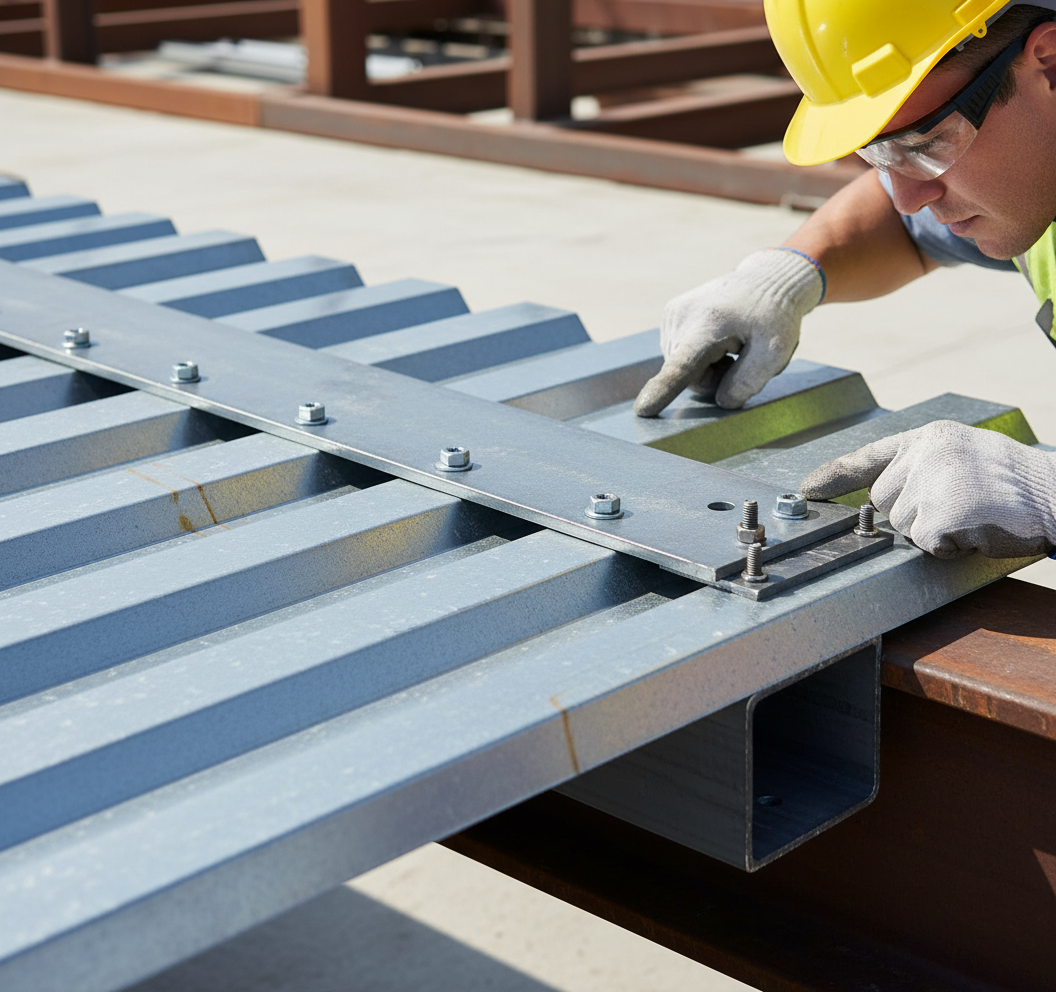
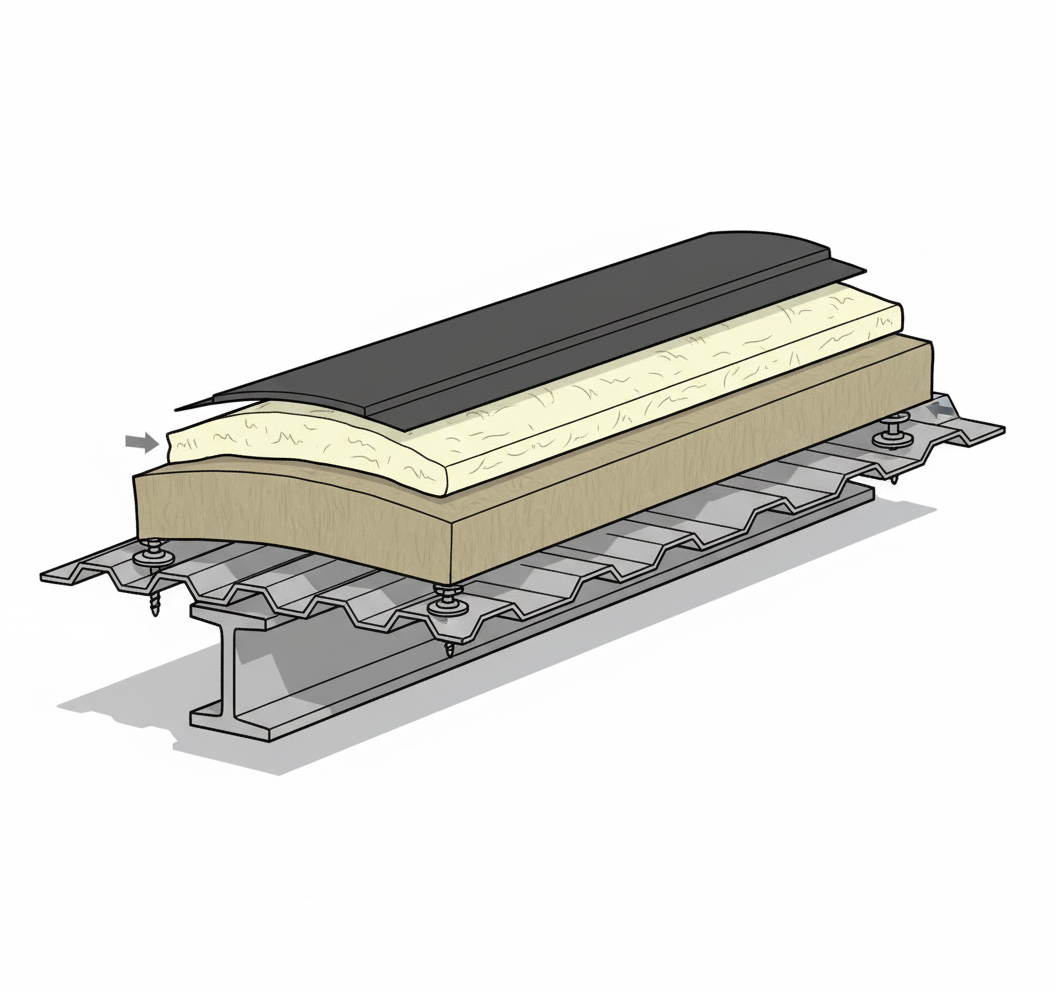
Ensure adequate bearing length at supports per manufacturer and engineer guidance; use bearing plates or stiffeners for concentrated loads. Install neoprene or isolation pads where dissimilar metals meet and provide shim packers when site tolerances require leveling. Maintain minimum bearing and engage both major and minor axes as required.
Specify corrosion protection appropriate for South Florida coastal exposure. Use G90 or specified galvanizing for purlins and G90 or better for deck, consider stainless fasteners in severe exposures, and apply compatible sealants at laps and penetrations. Include protective coatings and inspection cycles in project specifications.
Connections, Bracing and Uplift Resistance
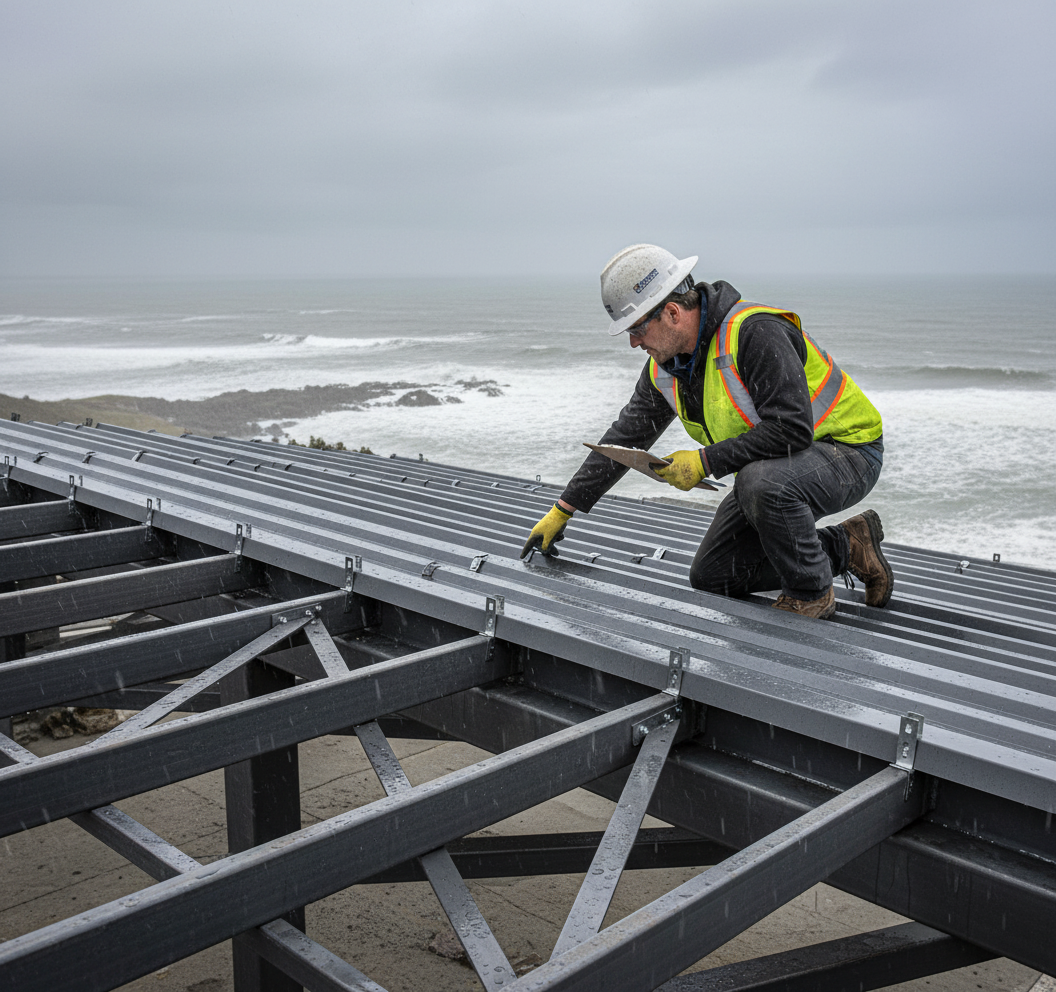
Connections must resist uplift and lateral loads with engineered clips, anchorages, and splice plates. Use self-drilling fasteners, through-bolts, or welding as specified by the structural engineer. Provide positive attachment at eaves and rake, continuous edge fasteners, and proper torqueing per fastener manufacturer.
Implement staged erection sequences and temporary bracing to control tolerances and wind vulnerability during construction. Require third-party inspection or peer review for high-risk projects and document compliance for permitting. Budget using risk-based strategies such as contingency allowances and phased QA to manage cost uncertainty.
Project Execution and Quality Assurance
Miami Metal Deck delivers engineered installation practices, documentation, and QA for Type B metal roof deck purlins support in South Florida. Our approach prioritizes code compliance, wind resilience, corrosion management, and clear inspection records for durable, permit-ready roofing systems.