
Wholesale Pricing Type B Roof Decking: Florida Suppliers
We offer Type B roof decking for Florida projects at wholesale pricing, providing volume discounts, certified materials, fabrication services, and statewide delivery—all compliant with Florida Building Code and ASTM/AISI standards for commercial and multifamily roofing applications.
Or Call 305-760-2575
Summary
- Bulk pricing tiers and supplier options.
- Volume discounts, coatings, delivery, lead times.
- Compare quotes, negotiate terms, verify compliance.
Miami Metal Deck explains wholesale pricing options for Type B roof decking Florida buyers trust. If you are sourcing Type B metal deck for a commercial or multi-family roof in Florida, you need clear guidance on how suppliers price material, coatings, fabrication, and delivery without guessing dollar amounts. This article outlines common wholesale structures, what drives cost, and practical procurement strategies to secure predictable budgeting, warranty-backed material, and timely delivery while meeting Florida building codes and hurricane resilience requirements.

How Florida Suppliers Structure Wholesale Pricing
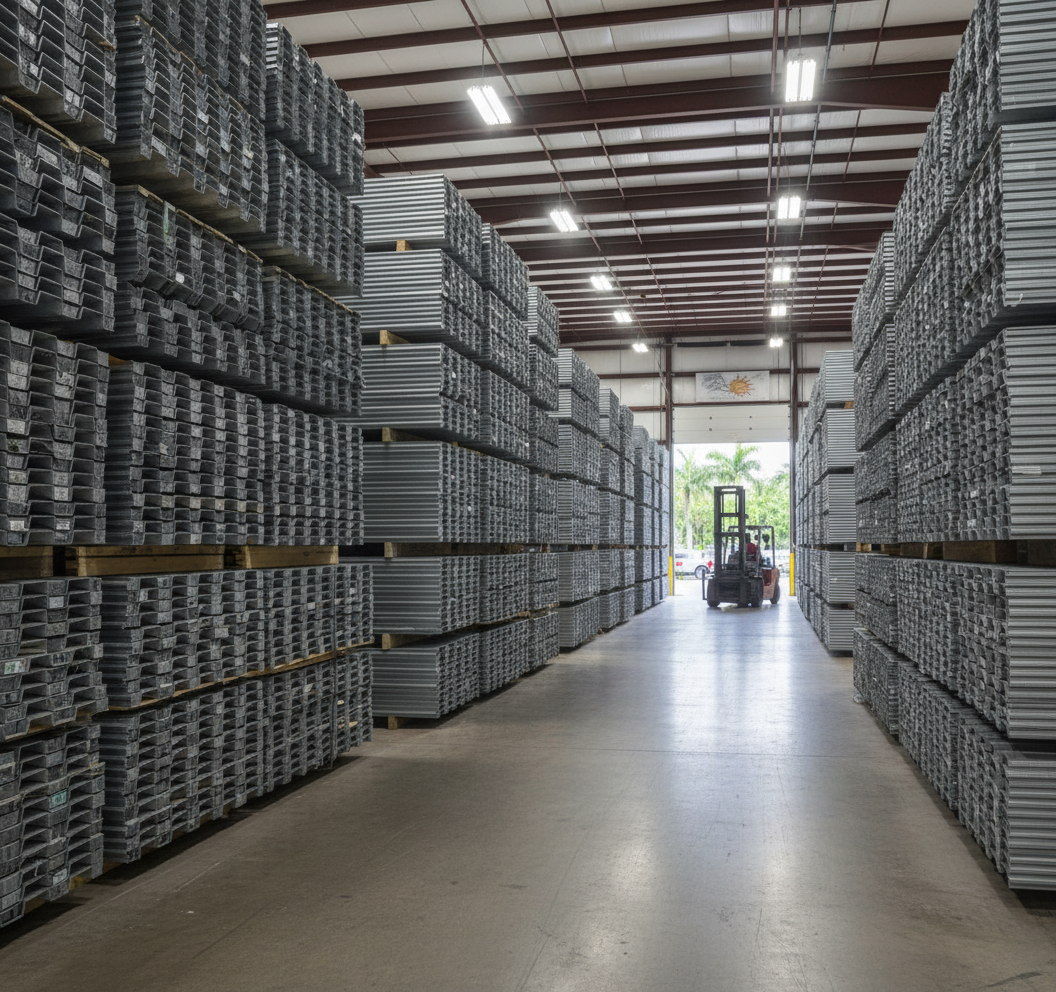
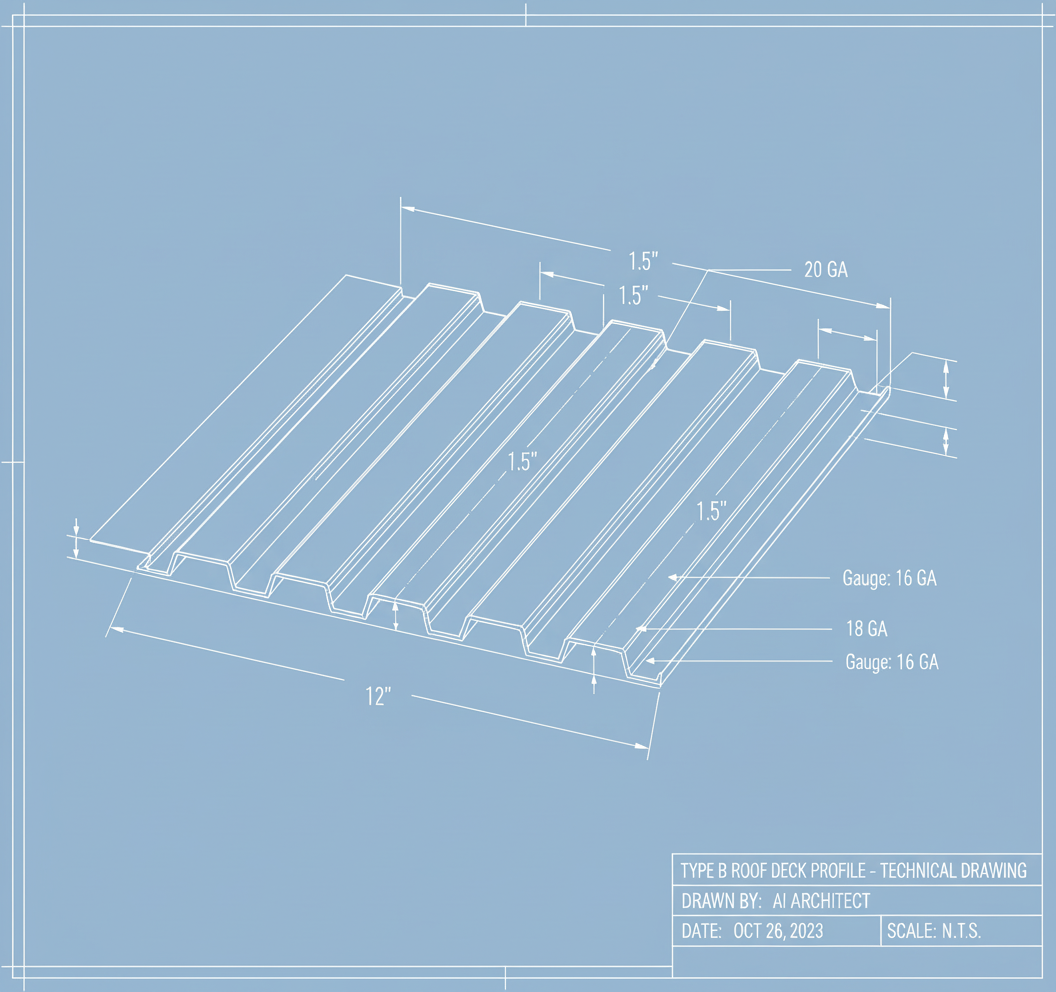
Suppliers typically quote Type B roof decking Florida projects using a combination of unit metrics: per linear foot, per square foot, per coil, or per ton. Wholesale quotes factor in raw steel gauge, coating type (galvanized G60/G90 or Galvalume), prepainted systems, fabrication services (cutting, punching, nesting), and minimum order quantities. Lead time and seasonal demand in Florida influence tiered pricing, while regional inventory near ports or distribution yards reduces freight risk.
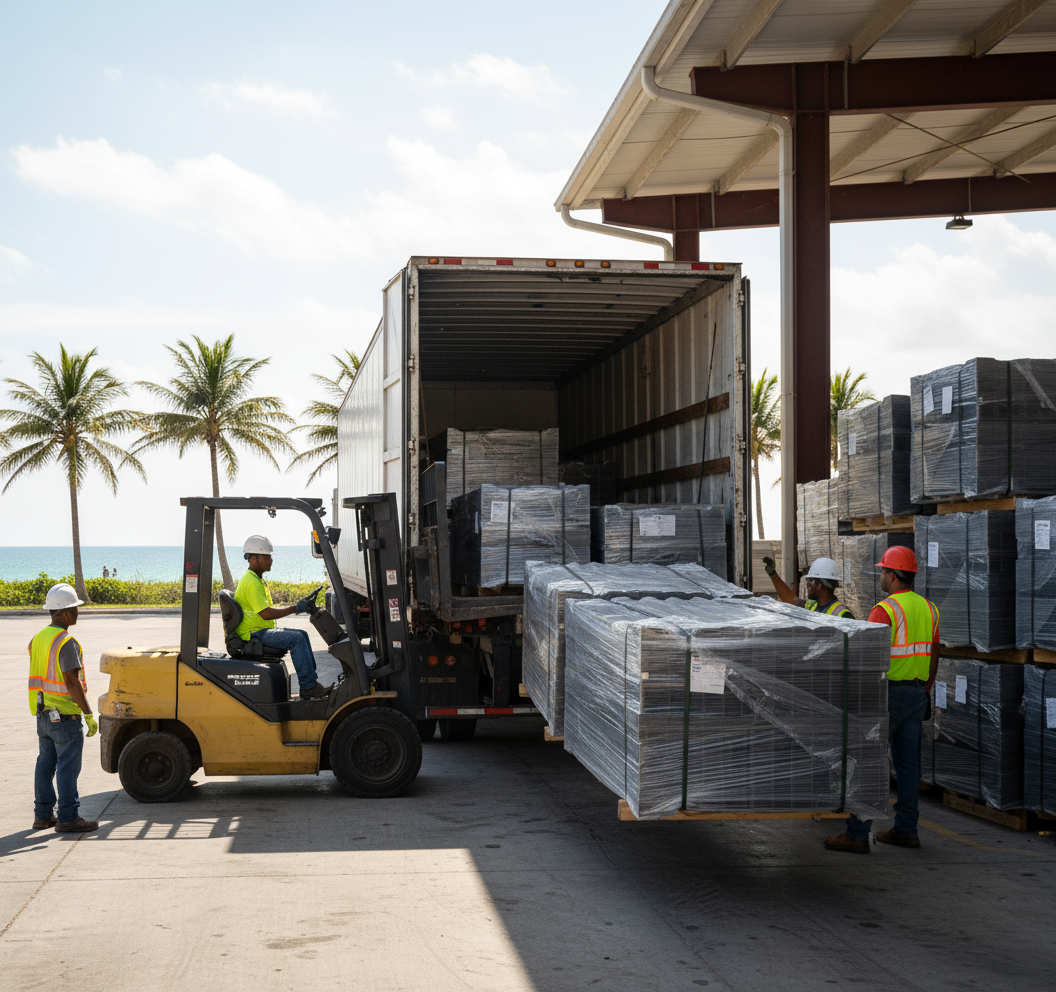
Beyond raw material, expect pricing models that separate metal, fabrication, and logistics. Many Florida suppliers offer volume tiers with incremental discounts, blanket purchase agreements for recurring projects, and consignment or drop-ship options to reduce your onsite handling costs. For budgeting, request itemized quotes that show unit pricing, fabrication surcharges, and freight allowance so you can compare total landed cost rather than headline numbers.
Ordering Models, Discounts, and Value-Added Services
Common wholesale ordering models include spot purchases from stock, contract pricing for scheduled deliveries, and coiled steel purchases for onsite rollforming. Suppliers may apply greater discounts for committed volumes, longer contract durations, or when buyers consolidate multiple projects. Value-added services such as custom punching, nested cutting, and factory preassembly shift labor off your site and can be priced as bundled line items.
When evaluating offers, compare how each supplier treats waste allowance, return policies for cut lengths, and warranty coverage for coatings and substrate. Prioritize suppliers who provide mill test certificates, ASTM or AISI compliance documentation, and transparent lead times tied to penalties or guarantees to protect your schedule and reduce change-order risk.
Compliance, Certifications, and Guarantees
Florida projects demand adherence to state building codes and often enhanced wind-load ratings. Wholesale quotes should reference material certifications, coating specifications, and applicable standards. Ask suppliers for test documentation, finish warranty terms, and evidence of quality control on rollforming and fabrication to ensure the delivered Type B metal deck meets structural and corrosion-resistance expectations.
Guarantees and after-sale support are differentiators: suppliers that offer traceable batch documents, written finish warranties, and proactive delivery windows reduce your procurement risk. For significant projects, request a sample run or small pilot shipment to validate finish and fit before full-scale delivery.
Procurement Strategies to Optimize Costs and Risk
To secure favorable wholesale pricing without compromising quality, bundle volumes, lock contract pricing for rolling projects, and negotiate delivery windows to match production schedules. Use multi-supplier quotes to create leverage, specify exact coil specs to avoid substitution, and include inspection hold points in contracts. Consider logistics strategies like consolidated shipments, seasonal ordering, and invoice reconciliation against receiving reports to control cash flow and schedule exposure.